Research Experience
Using telehealth and biomedical engineering to define the future of health
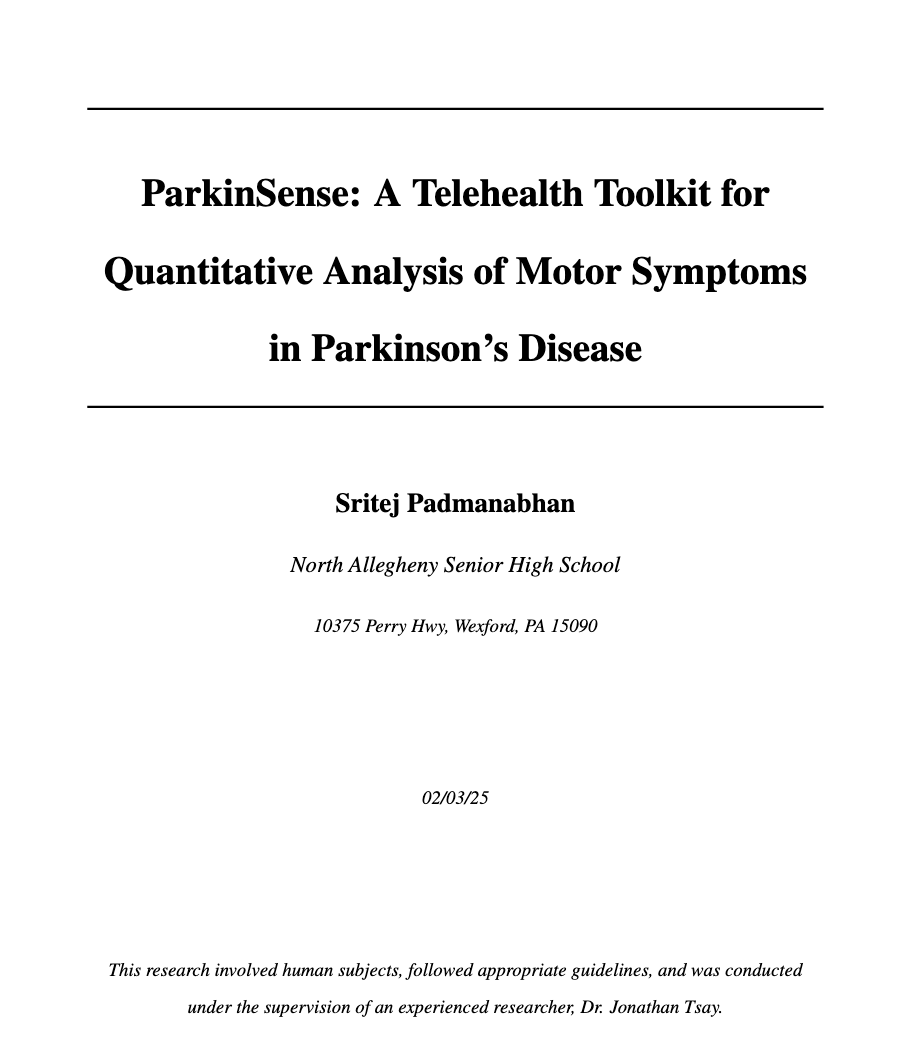
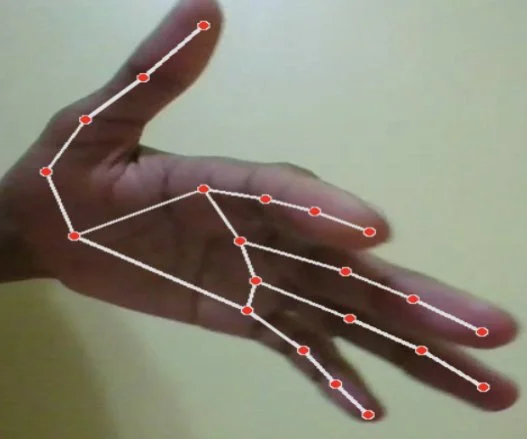
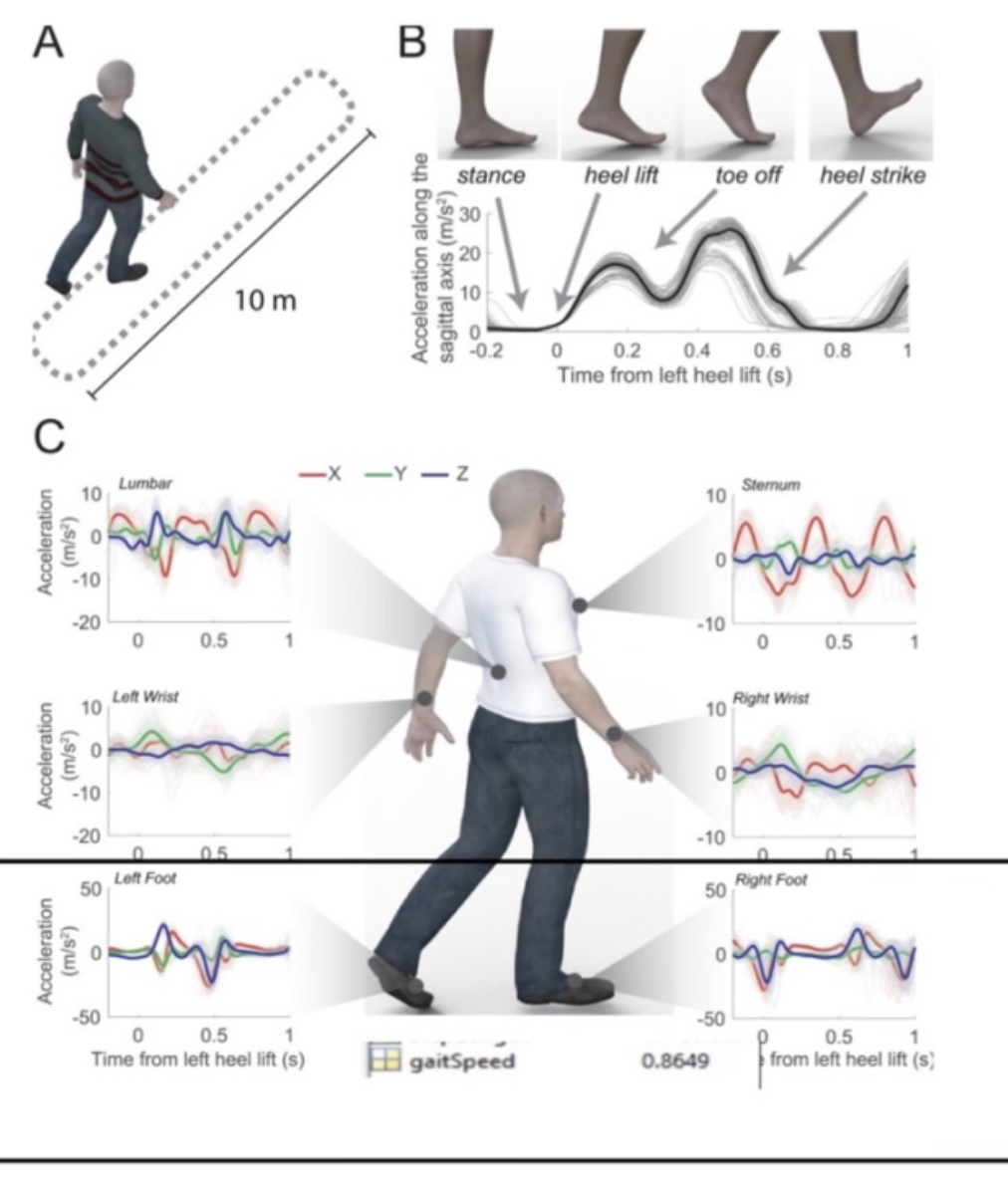
ParkinSense: A Telehealth Toolkit for Quantitative Analysis of Motor Symptoms in Parkinson’s Disease (7, 8, 9, 10, 11, 12)


Physical Intelligence Lab @ Carnegie Mellon University (10, 11, 12)
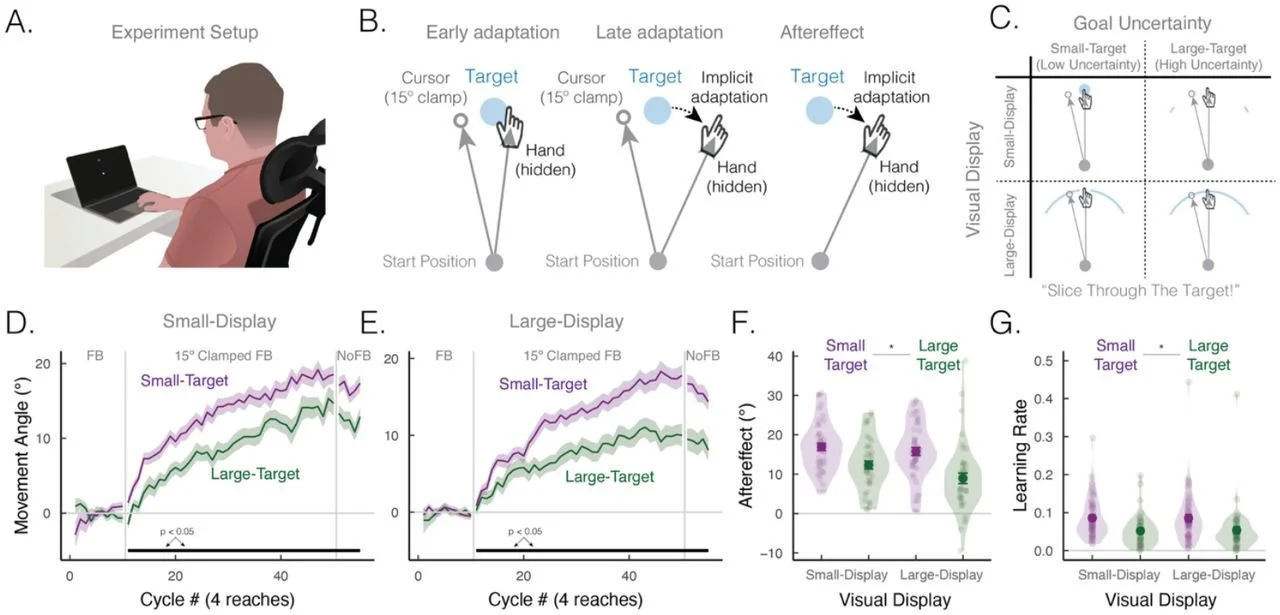
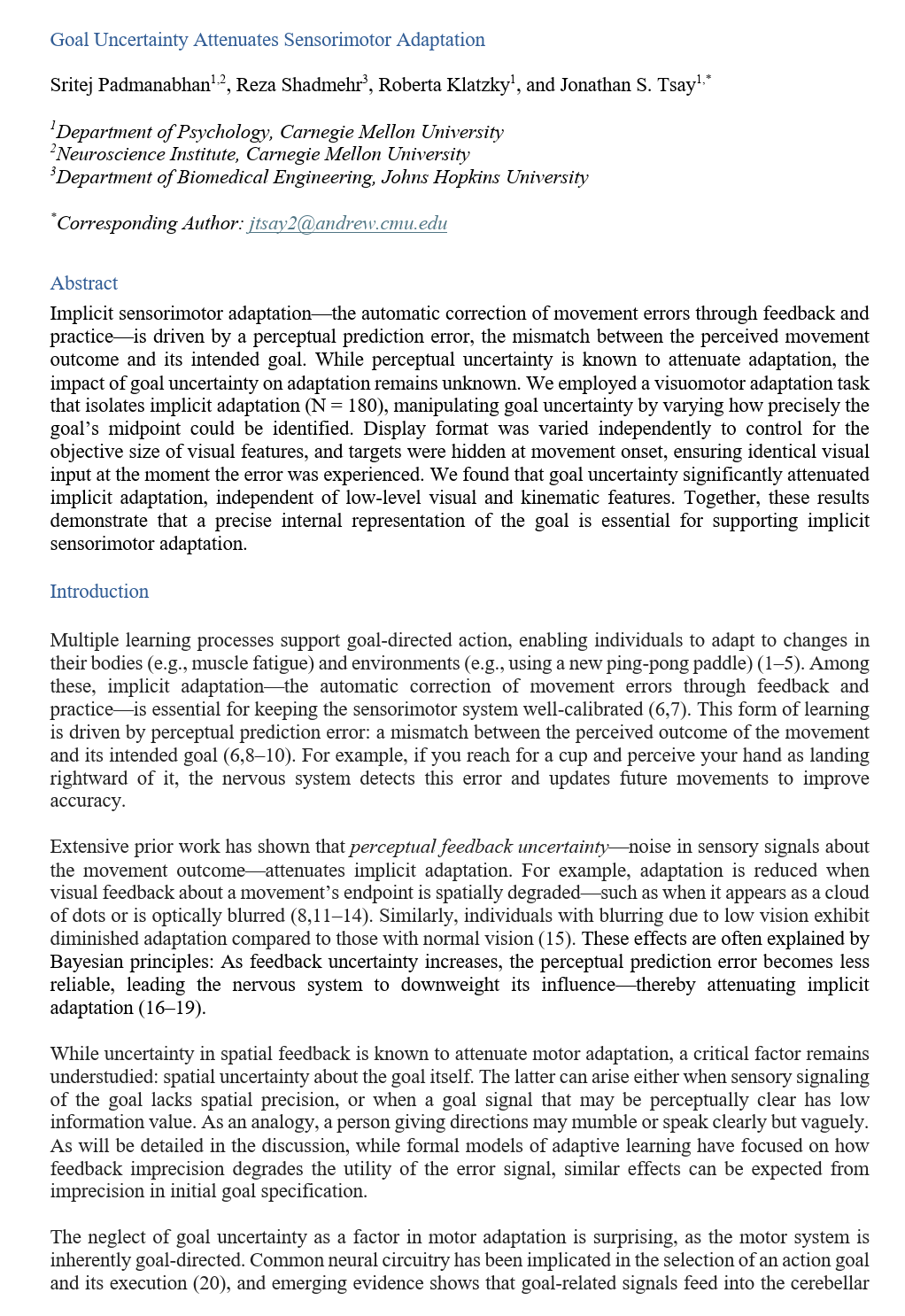
Project Lead: Goal Uncertainty Research: Designed + coded cognitive neuroscience experiments in JavaScript investigating goal uncertainty’s effect on implicit motor learning; recruited 300+ participants, performed R/Python analyses, collaborated with top-field researchers Dr. Reza Shadmehr (JHU), Roberta Klatzky (CMU), Jonathan Tsay (CMU). First-author submission to Journal of Neurophysiology (IF 3).
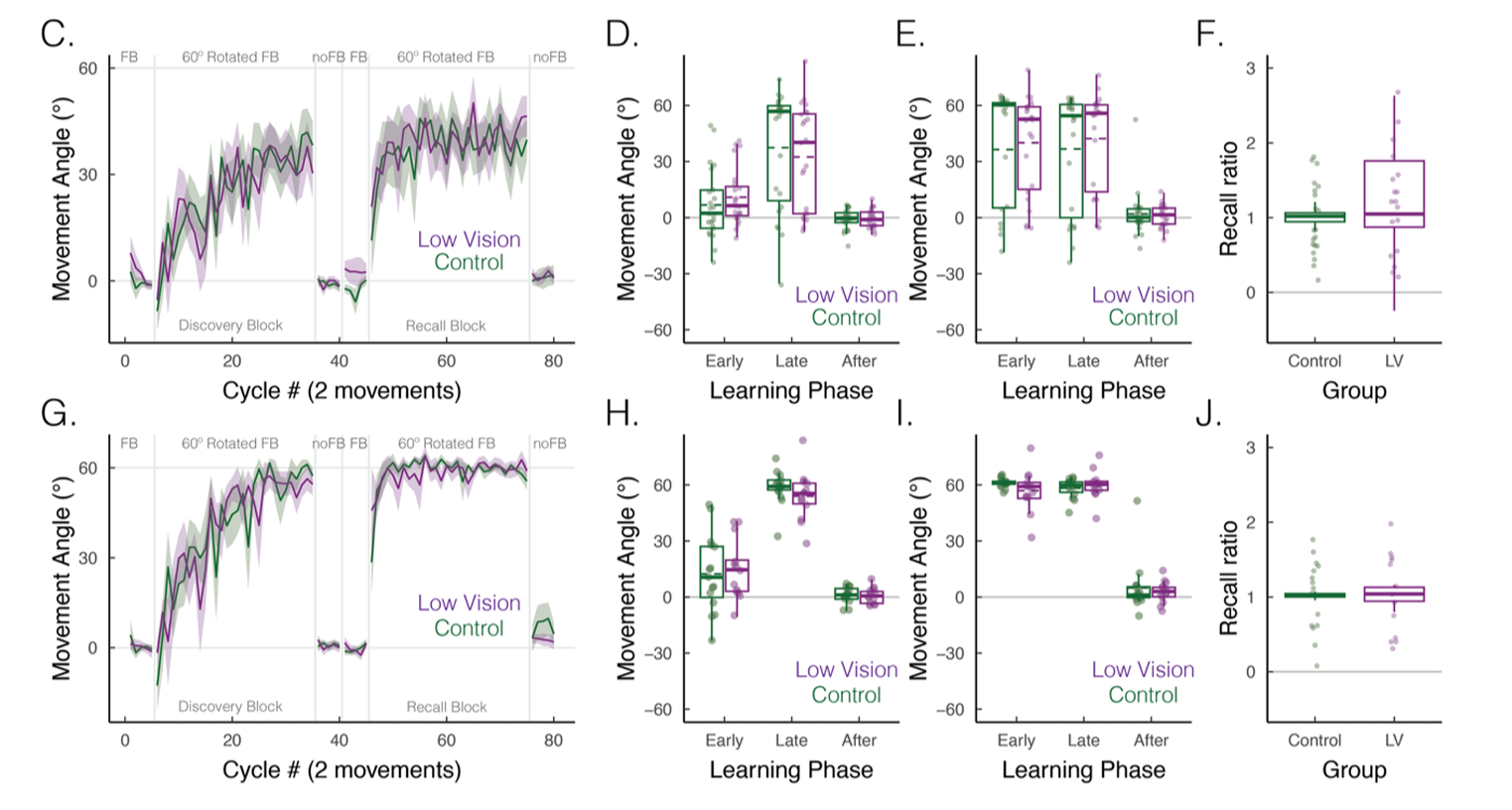
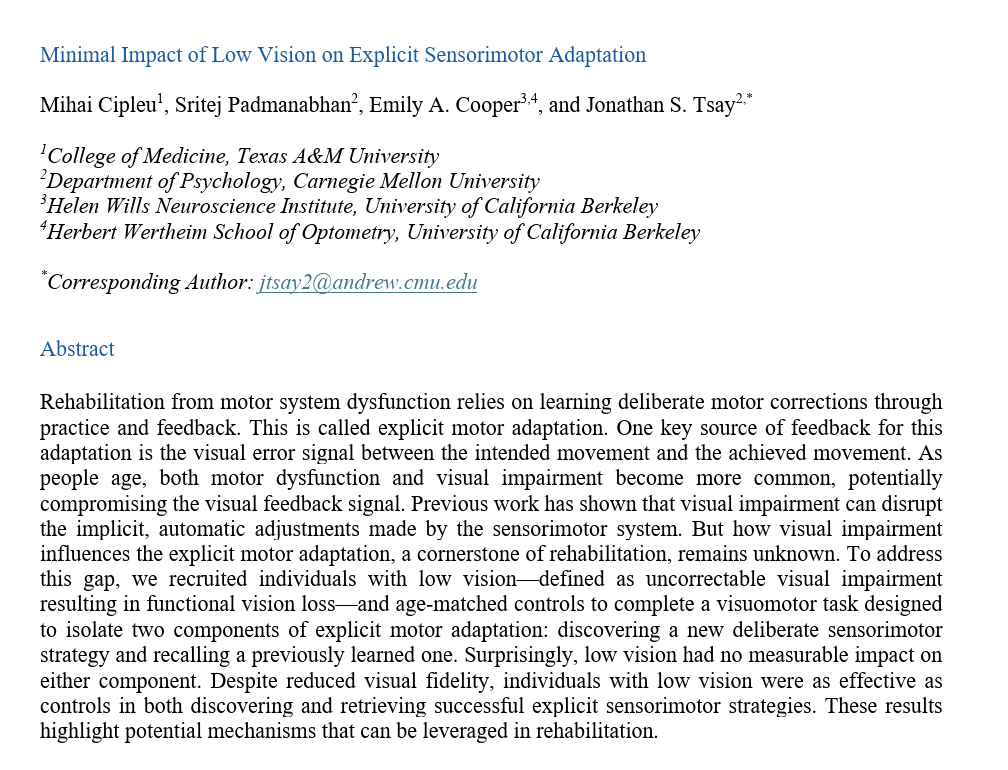
Co-Lead Low-Vision Motor Study: Co-led research on explicit motor adaptation in visually impaired; manuscript submitted to Neurorehabilitation and Neural repair (IF 4).
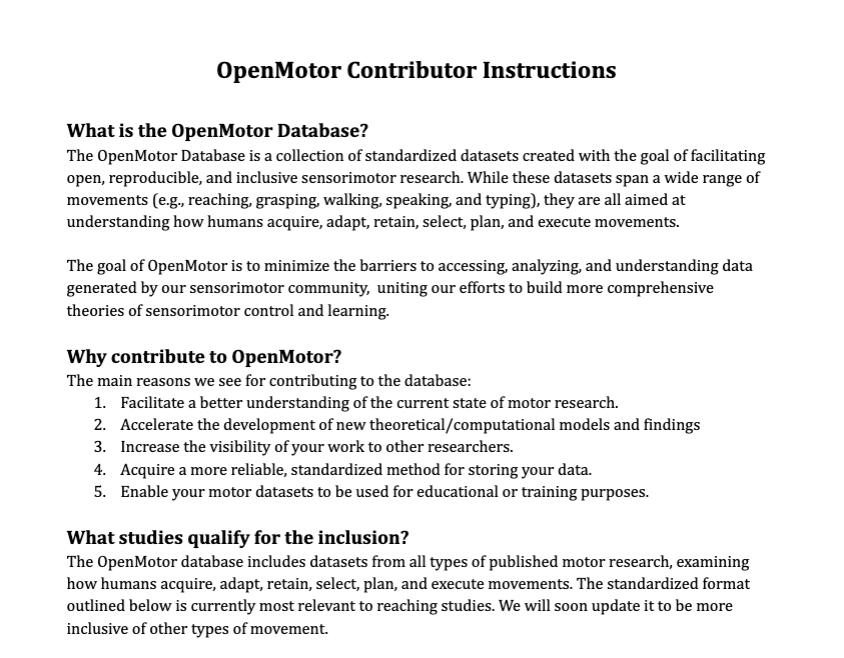
Founder – OpenMotor Standardization Initiative: Established field’s largest motor-learning dataset, uniting 500+ behavioural labs; towards standardizing motor-learning data. Inspired by OpenNeuro
Research contributions preprinted on bioRxiv (1k+ paper reads).

ENIGMA Lab @ Swanson School of Engineering (9, 10, 11, 12)
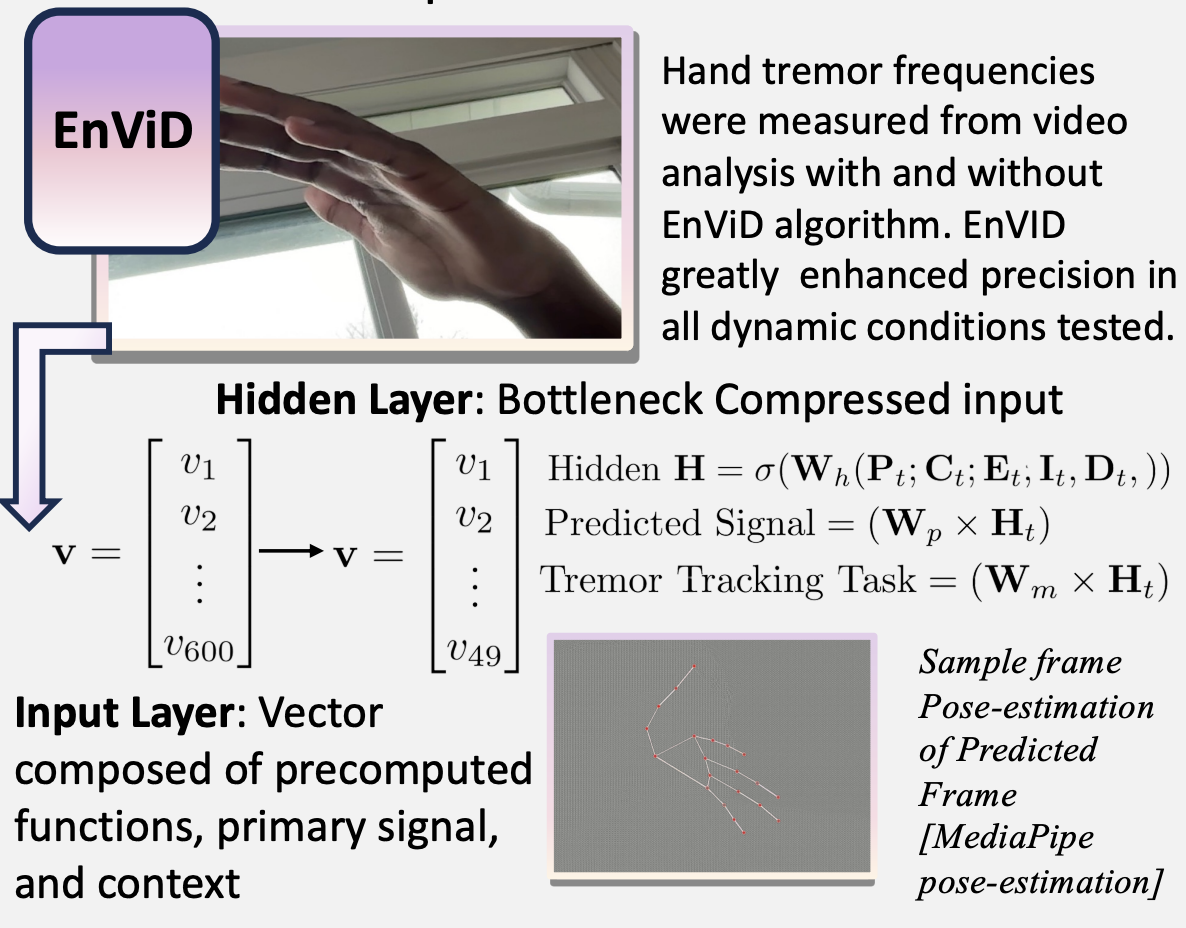
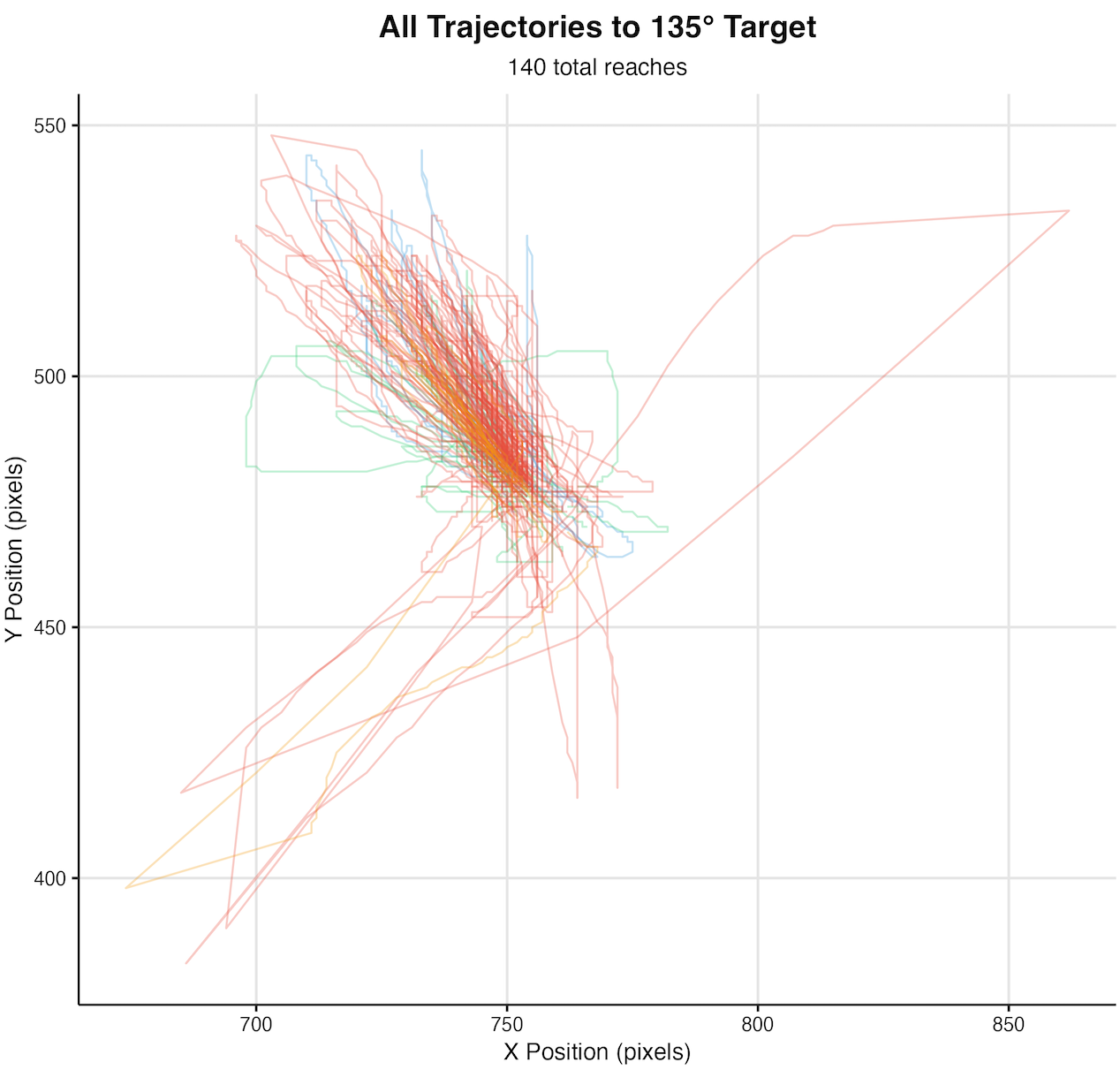
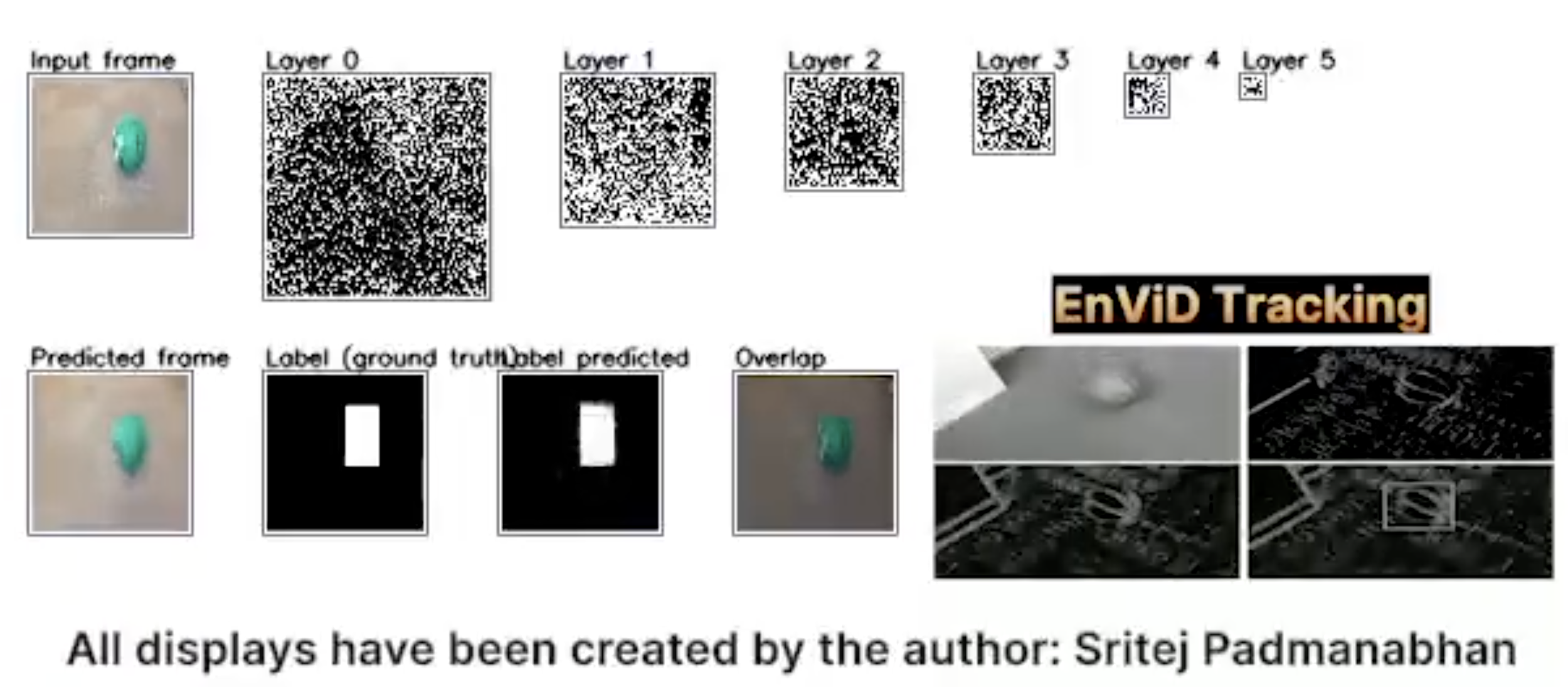
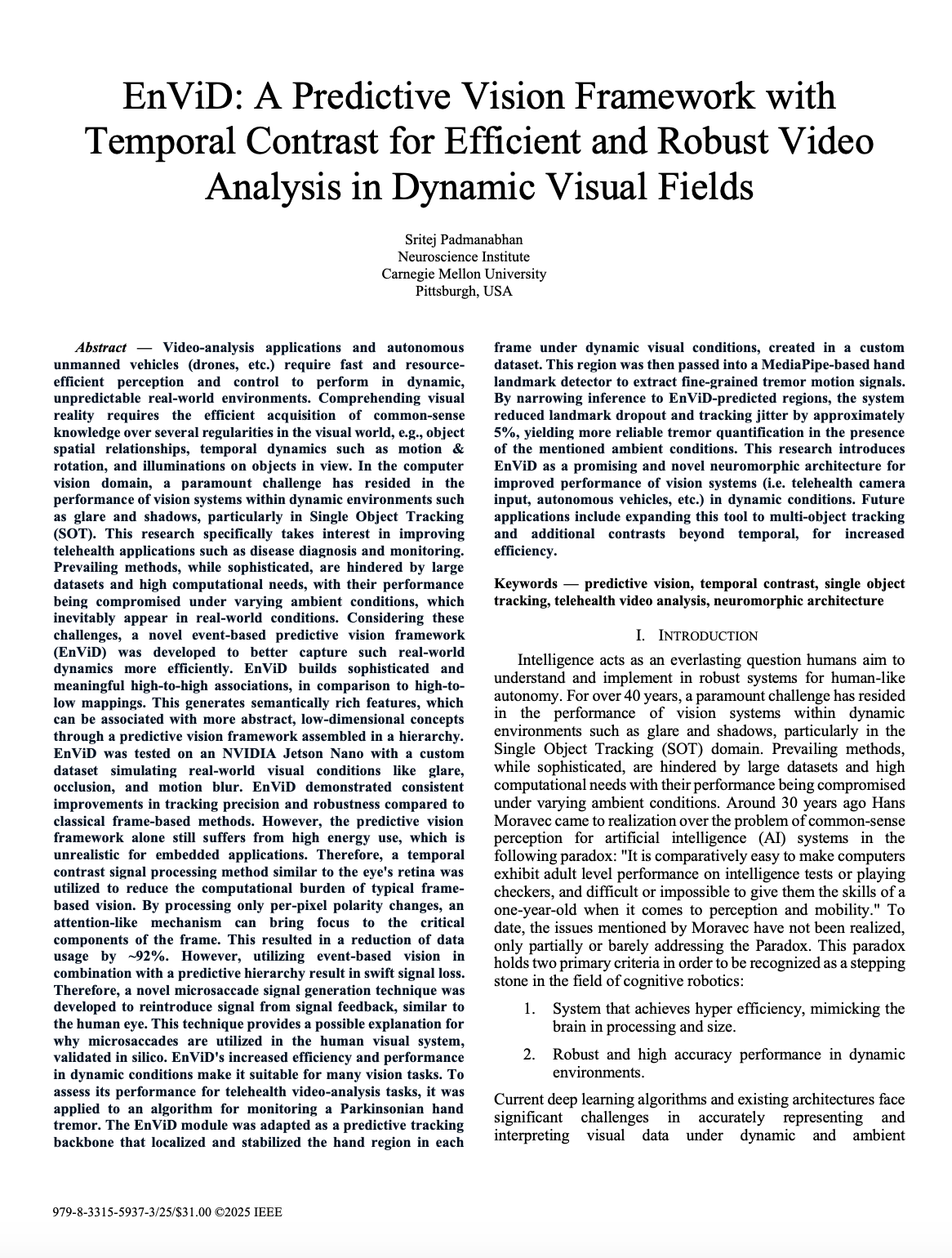
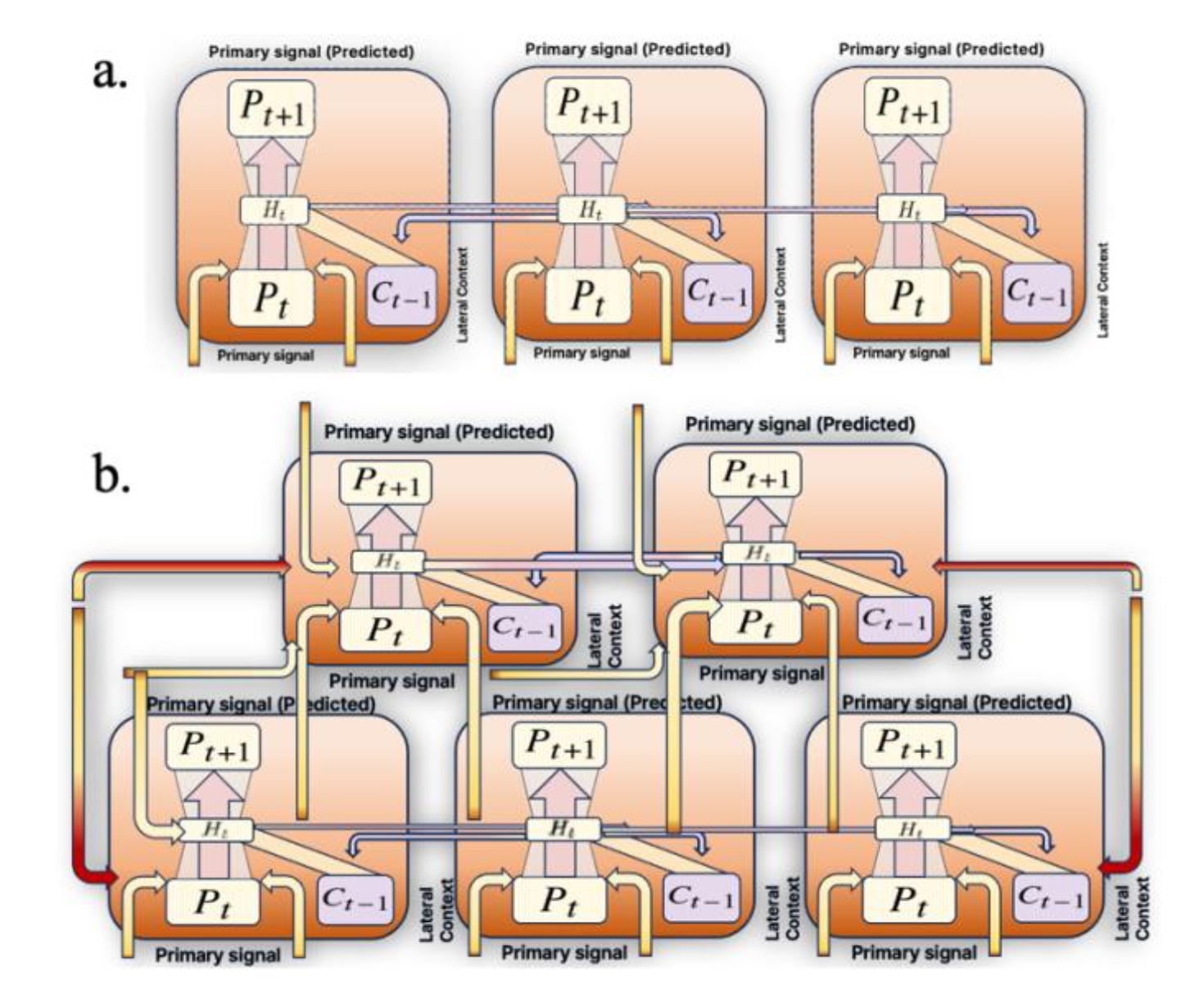
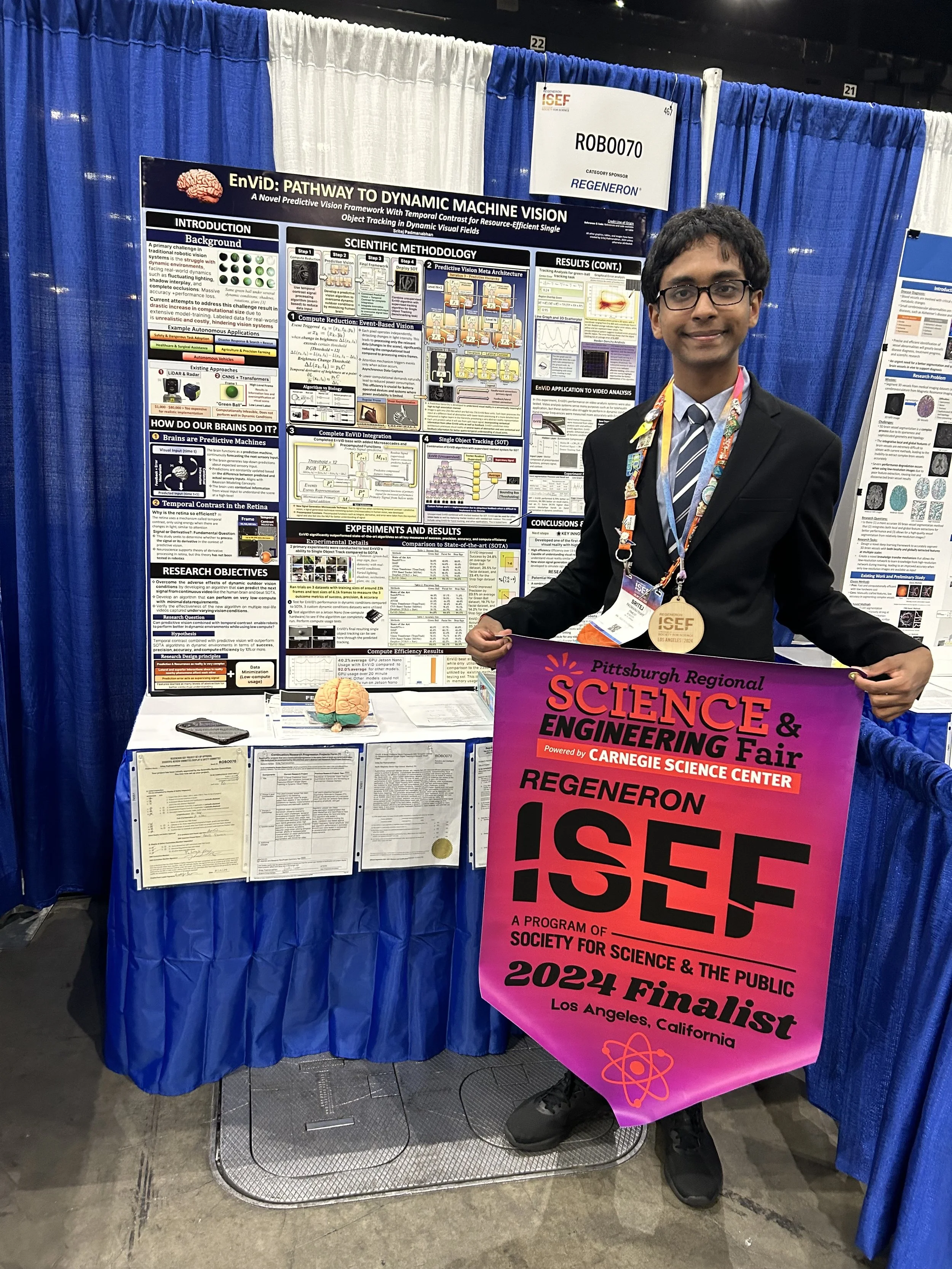
Project Lead: Created EnViD, a brain-inspired tool improving object-tracking in ambient conditions (achieved 20% boost).
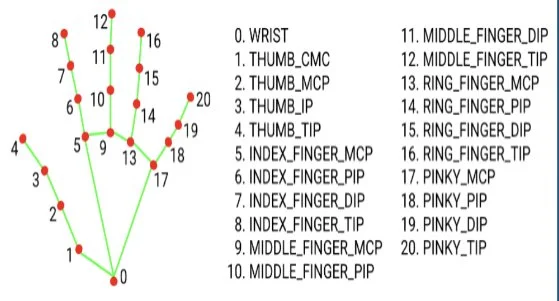
Applied tool to Parkinson’s telehealth analysis, improving biomechanics pose-estimation performance by 7%.
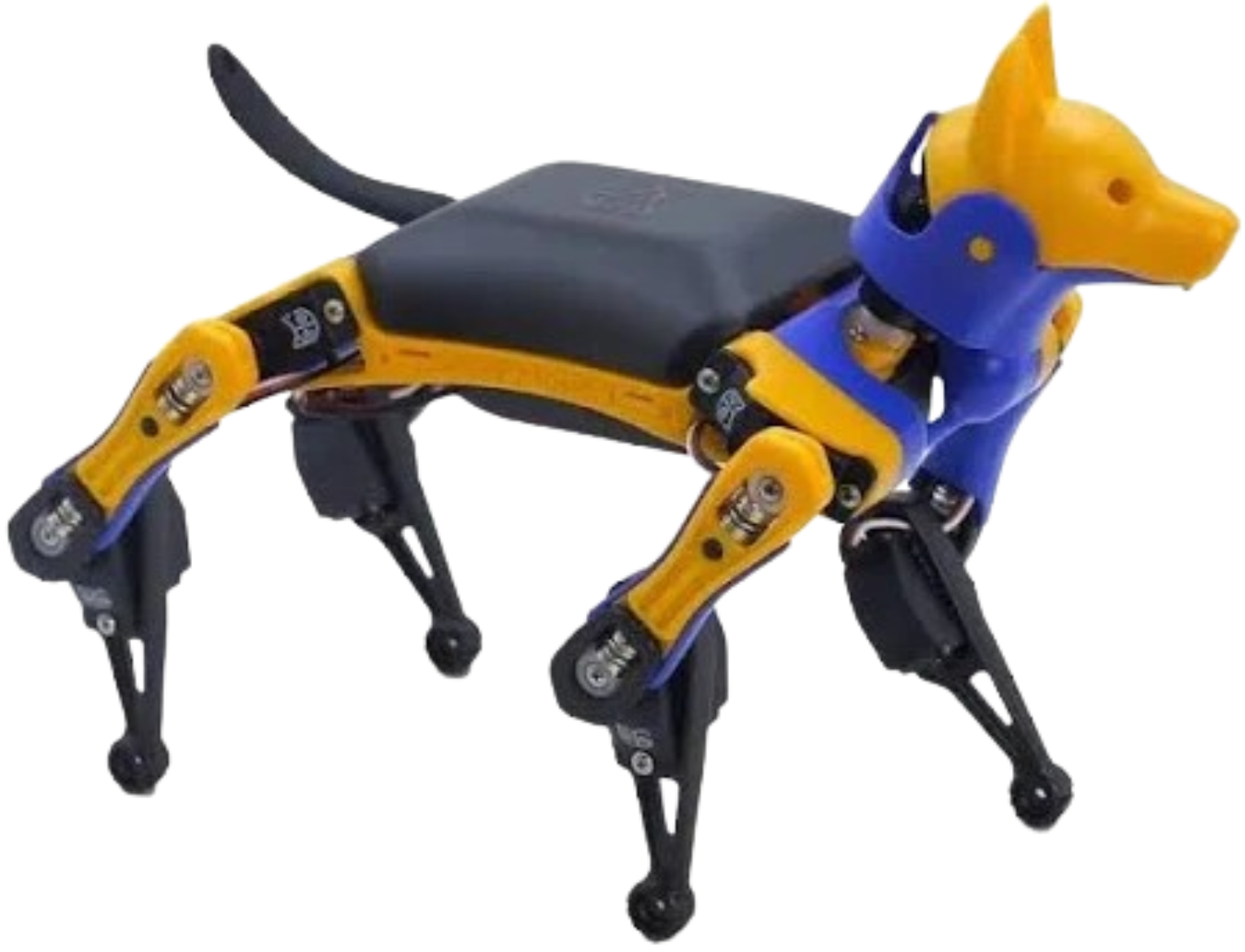
EnViD currently powers Swanson mini-dog robot at the University of Pittsburgh.
Research accepted to the IEEE MIT Undergraduate Research Technology Conference (2025); earned 3rd Place Grand Award at the International Science and Engineering Fair (ISEF).

Neurosynth Research (11) @ UT Austin
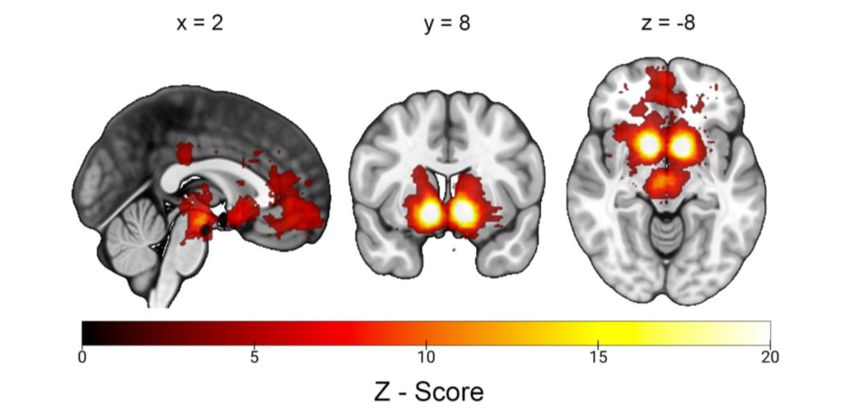
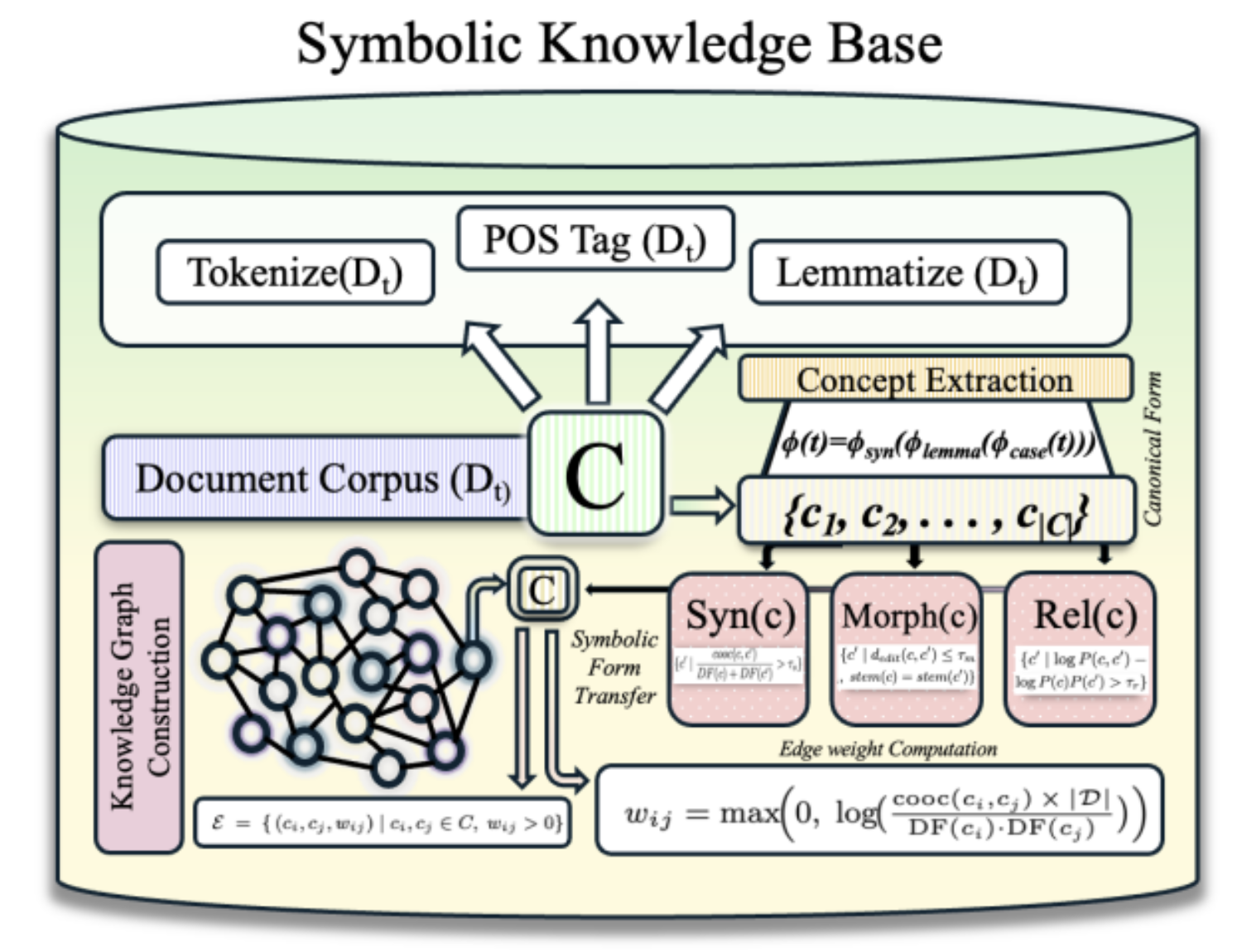
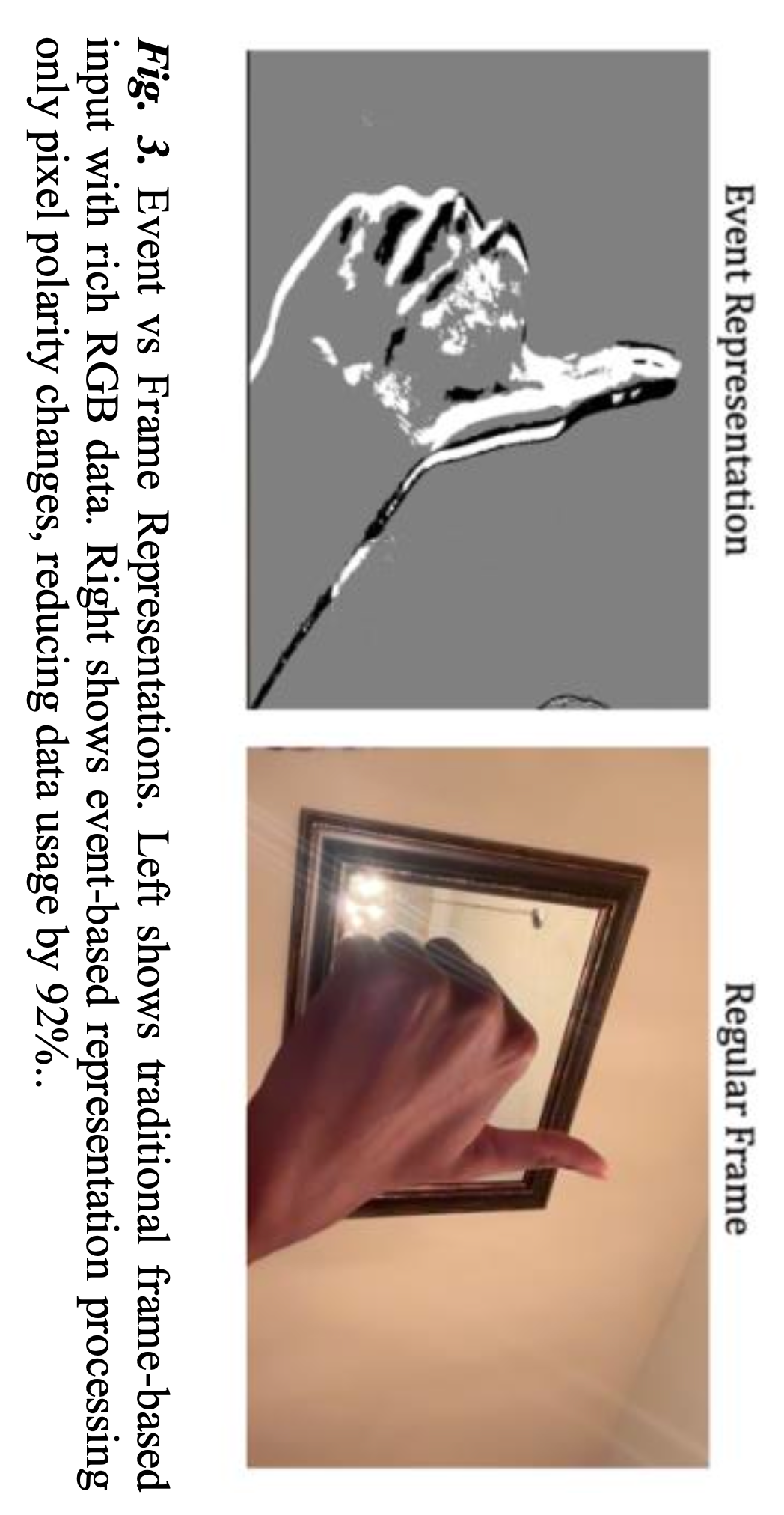
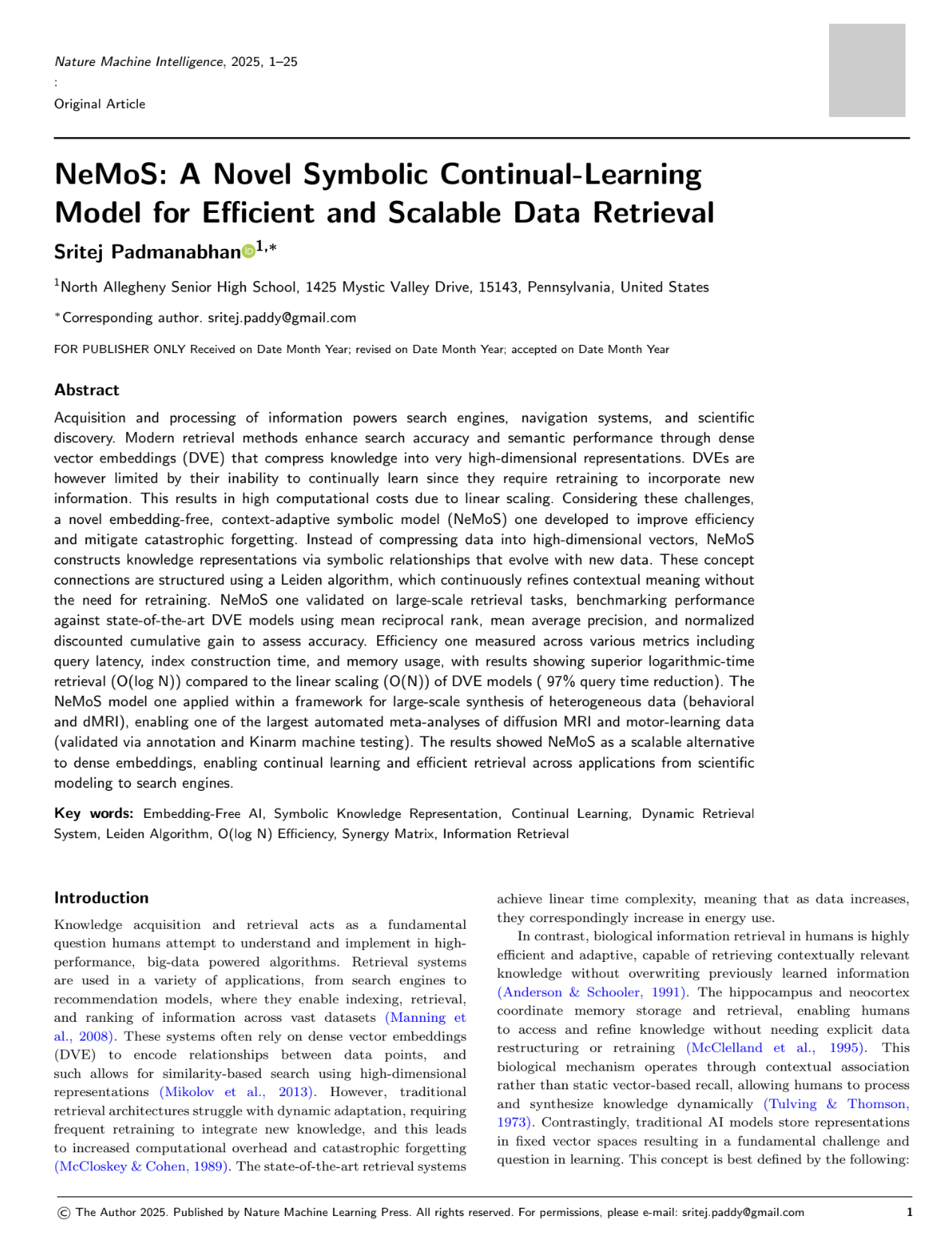
Individually developed, with mentorship from Dr. De La Vega, a continual learning model for non-embedding data-retrieval
Implemented technology for diffusion MRI data-synthesis, inspired by NeuroSynth by Tal Yarkoni
Research and publication in Progress.

Seal Lab Research (9,10) @ UPitt
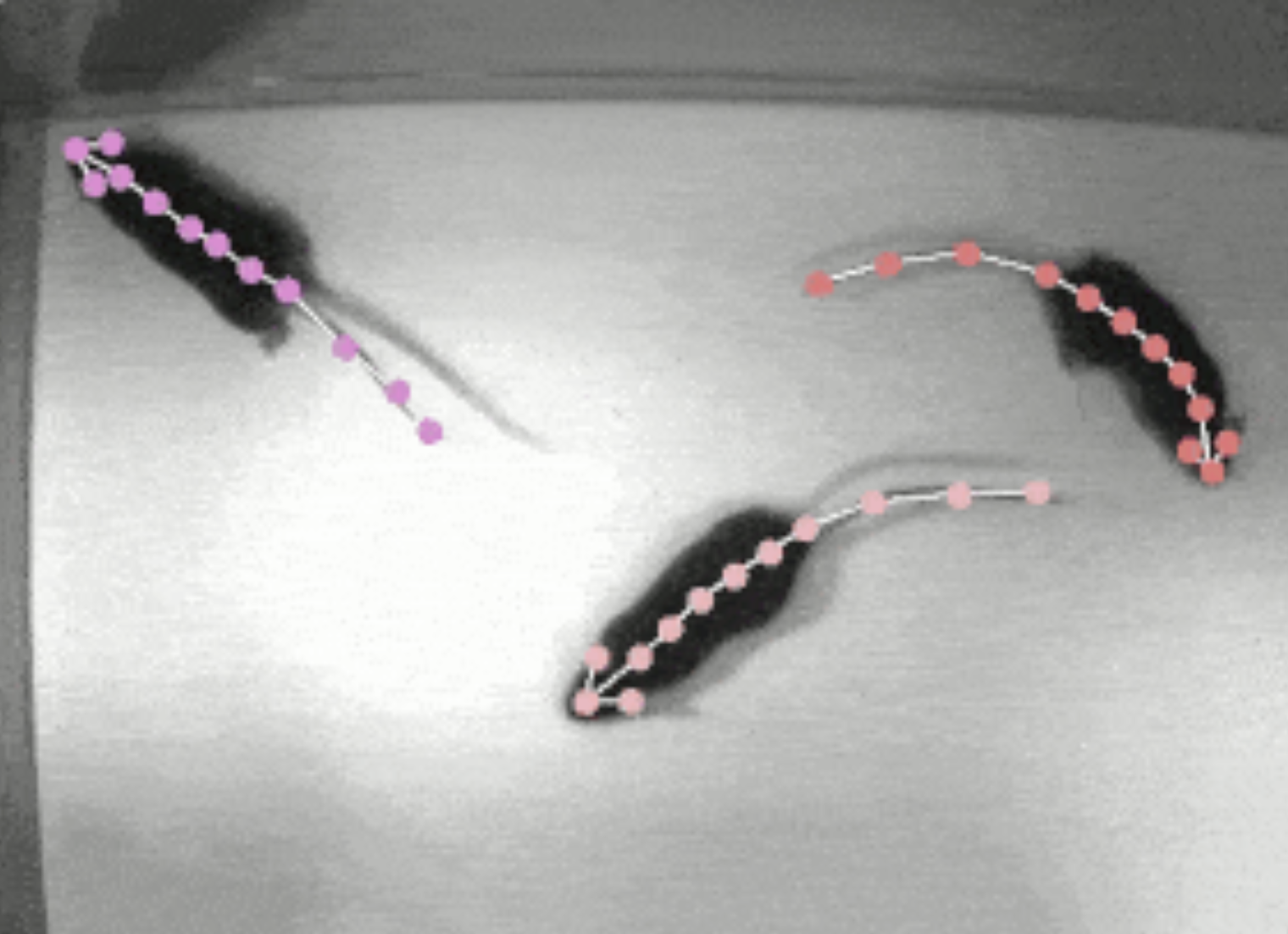
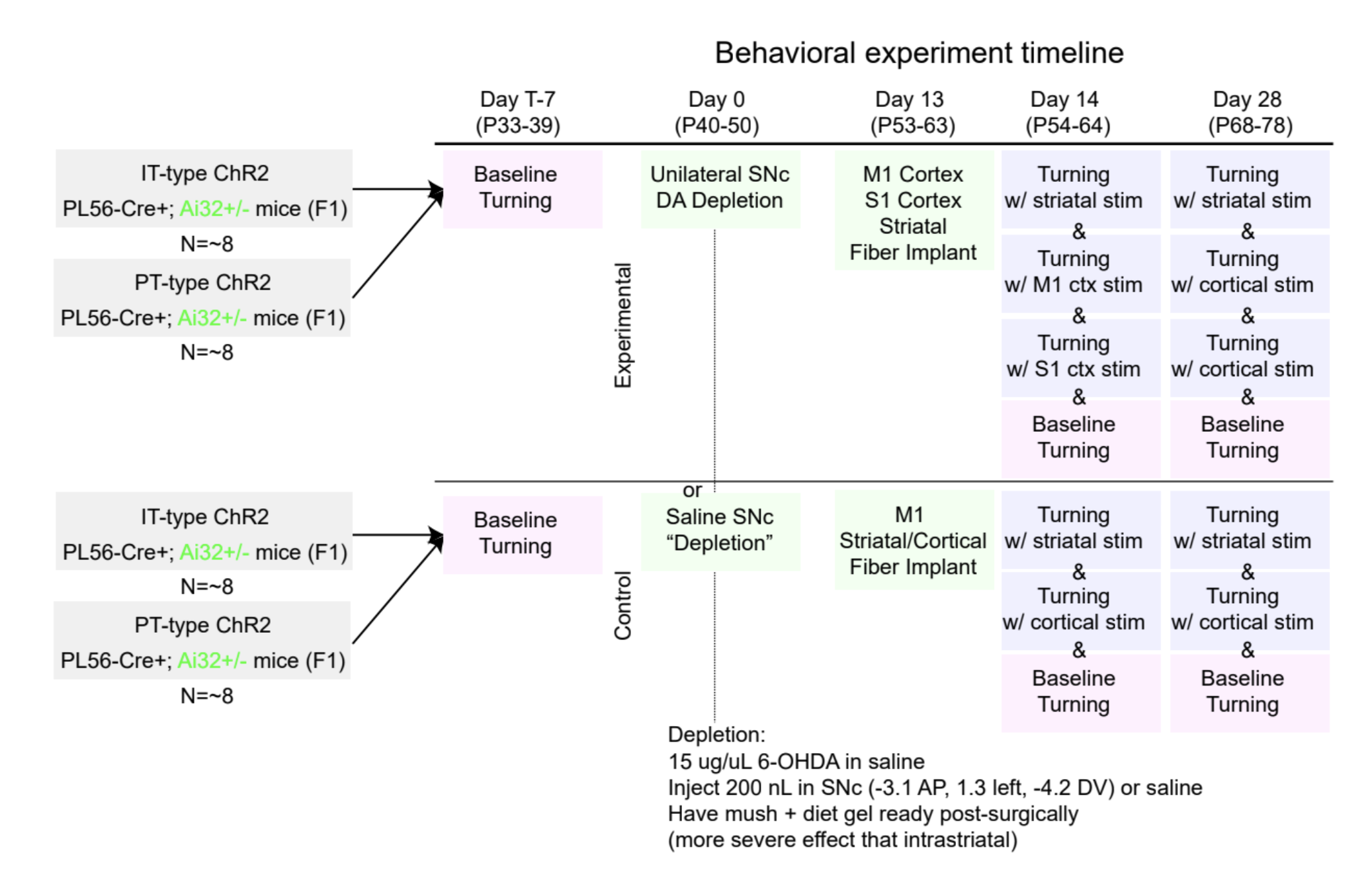
Implemented a custom DeepLabCut pipeline to analyze Parkinson’s disease–induced mice behavior;
Neurobiology research on dopaminergic circuit dysfunction and contributed to protocol development for imaging-based behavioural
assays.
Learned calcium signal processing via machine learning.

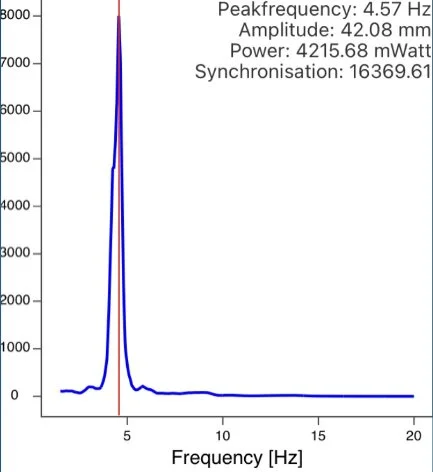
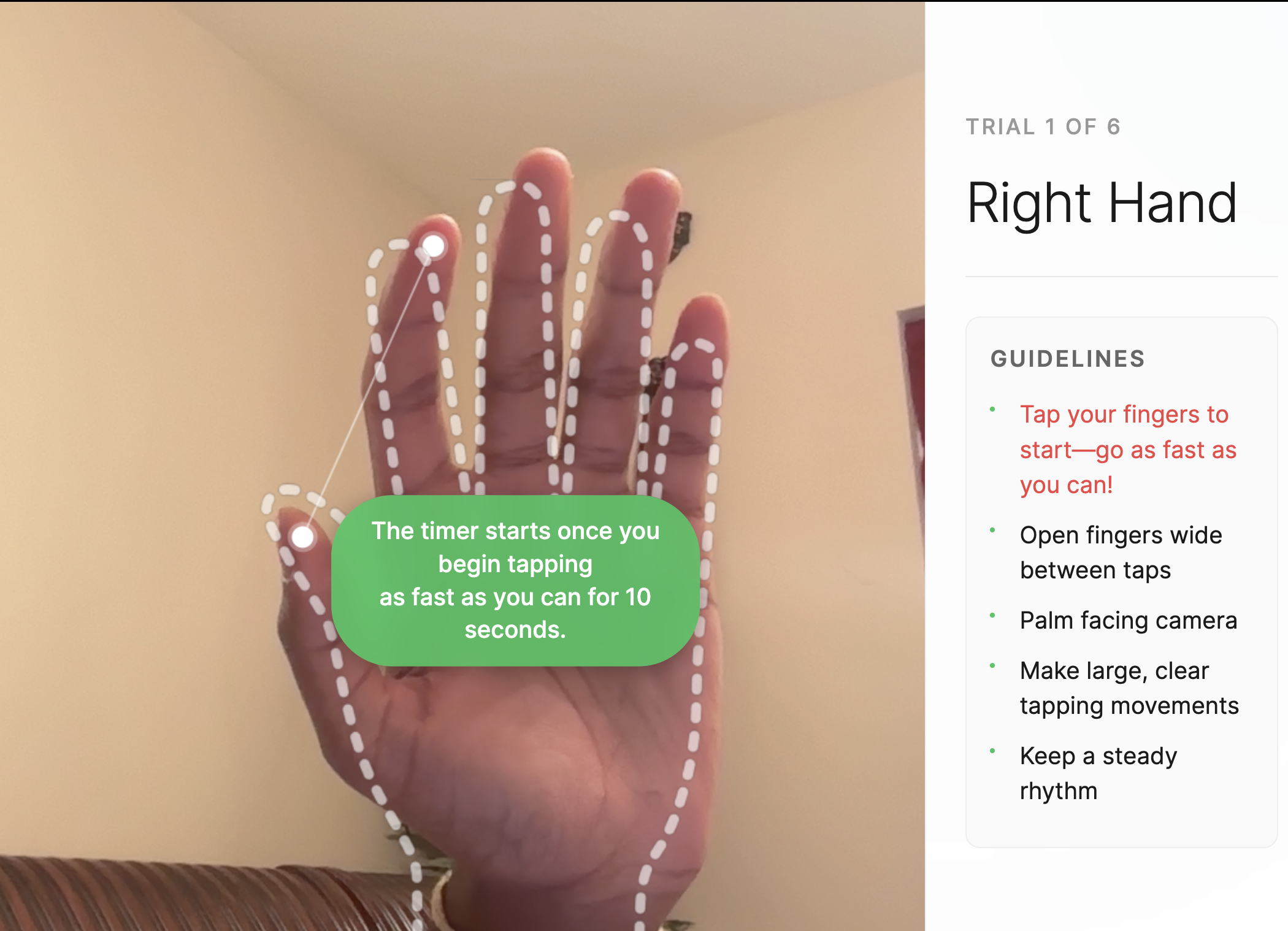
Project Lead: Developed ParkinSense, a telehealth toolkit quantifying Parkinson’s motor symptoms (95% accuracy across tremor, gait, and motor adaptation).
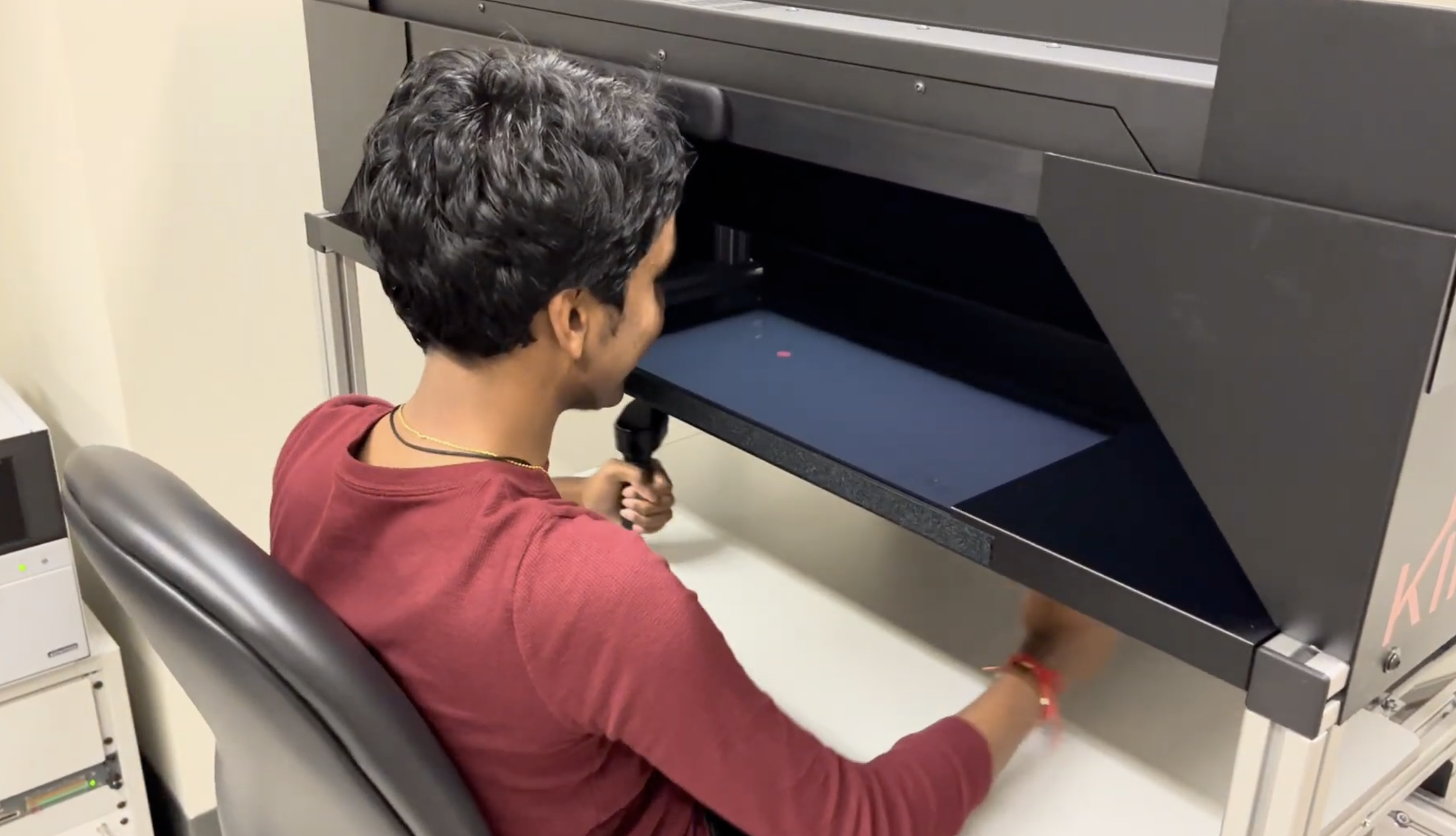
Collaborated with neurologists @ UPMC, Pitt, and CMU to validate tool via Kinarm Robot & patient trials.
ParkinSense is actively used for assessing patient motor control after Deep-Brain Stimulation in UPMC.
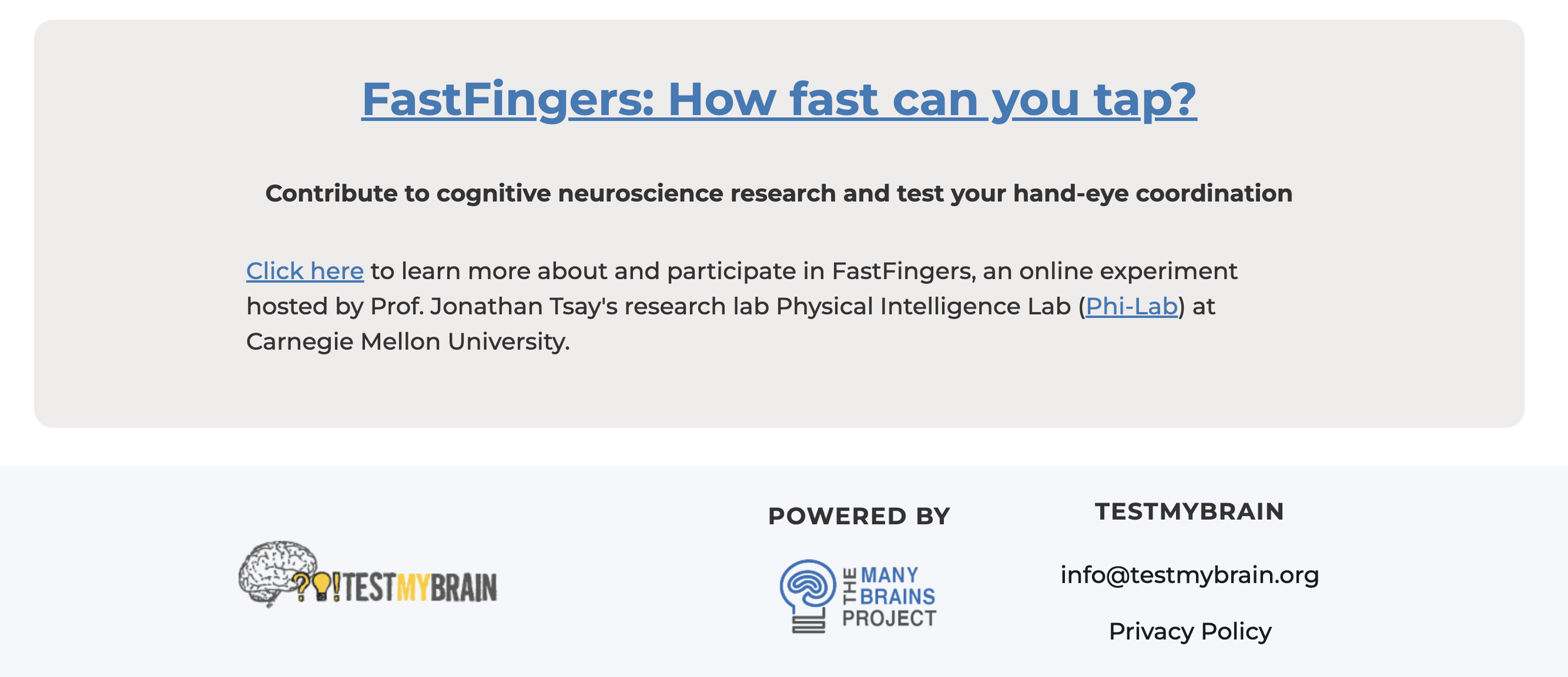
Created ActionCensus, a telehealth platform collecting movement data across Autism, ALS, Parkinson’s, patients from various economic statuses, etc.; featured on Harvard’s TestMyBrain with 5,000+ users; largest-online motor-learning study to date.
Developed a 30-point Parkinson’s severity scale used/approved by UPMC + UPenn + VA neurologists
Provisional Patent #63/831,185; awarded $10,000 Masason Grant; 1st Place NJSHS Nationals.